How to Write a Bio-Data: The Complete Guide for Marriage & Jobs in India
Learn to create a professional bio-data for marriage and jobs in India. Our 2026 guide covers formats, essential details, and tips for making a great first impression.
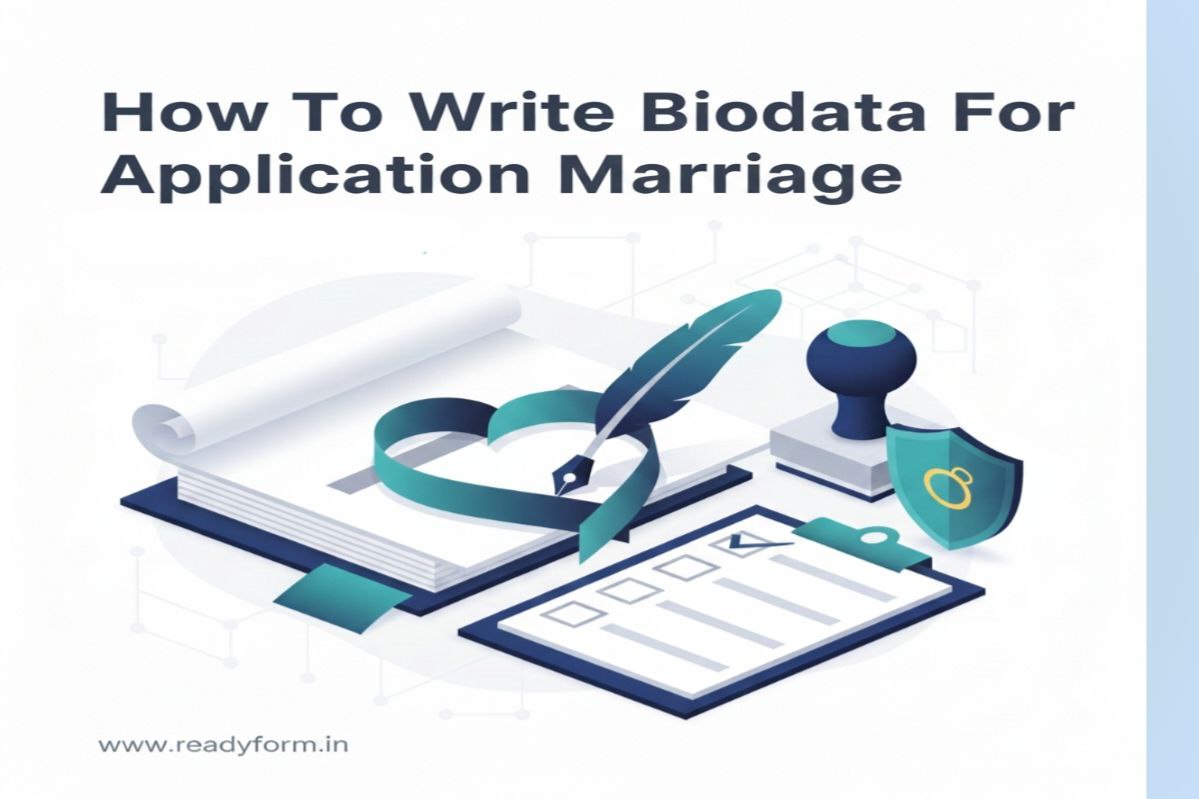
In a world of LinkedIn profiles and digital resumes, the term "bio-data" might seem a bit old-fashioned. Yet, in many contexts across India, it remains a crucial and widely used document. Whether you are creating a profile for arranged marriage or applying for certain types of jobs, a well-structured bio-data is your primary tool for making a strong first impression. It’s a snapshot of your life, summarizing who you are, what you’ve accomplished, and what your aspirations are.
Many people find the task of creating a bio-data daunting. What details should you include? What is the right format? How do you present yourself in the best possible light without exaggerating? A poorly constructed bio-data can be confusing, incomplete, or unprofessional, leading to missed opportunities in both personal and professional spheres. For instance, a marriage bio-data that lacks key family details might be overlooked by prospective matches, while a job bio-data that is poorly formatted could be rejected by recruiters before it's even read.
This comprehensive guide is designed to demystify the process of writing a bio-data in India for 2026. We will explore its two primary uses—for marriage and for employment—and provide a detailed, step-by-step roadmap for each. You will learn the essential components, modern best practices, what to include, and what to avoid. With clear examples and practical tips, this guide will empower you to create a professional, effective, and impressive bio-data that truly represents you.
Bio-Data vs. Resume vs. CV: Understanding the Difference
Before we dive in, it’s important to clarify the terminology, as these terms are often used interchangeably in India.
Bio-Data (Biographical Data)
A bio-data is a document that focuses on personal particulars. Traditionally, it includes details like date of birth, gender, religion, caste, nationality, marital status, and a detailed family background. Its primary use in India today is for matrimonial purposes.
Resume
A resume is a concise summary of your professional skills, qualifications, and work experience, typically one to two pages long. It is tailored to a specific job and aims to highlight your suitability for that role.
Curriculum Vitae (CV)
A CV is a more detailed document that provides a comprehensive overview of your academic and professional life. It can run for multiple pages and is often used for academic, scientific, or research positions.
While modern job applications almost always require a resume or CV, some government jobs, smaller companies, or roles in the unorganized sector still ask for a "bio-data," which is essentially a simple resume format.
Part 1: How to Write a Marriage Bio-Data
A marriage bio-data is the first point of contact in the arranged marriage process. It should be honest, comprehensive, and present you in a positive light. The goal is to provide enough information for a family to make an informed decision about taking the next step.
Key Sections of a Marriage Bio-Data
A well-structured marriage bio-data is divided into clear sections. This makes it easy for the reader to find the information they are looking for. Here is a breakdown of what to include.
1. Personal Details: The Core Information
This section is the most important and should be right at the top. Be accurate and clear.
- Full Name: Your official name as it appears on documents.
- Date of Birth, Time, and Place of Birth: Essential for horoscope matching.
- Age: Your current age in years.
- Height & Weight: Provide accurate measurements.
- Religion & Caste/Sub-caste: Crucial for community-based matchmaking.
- Gothra/Gotra: Required in many Hindu communities.
- Marital Status: Unmarried, Divorced, Widowed, or Annulled. Be honest.
- Complexion & Blood Group: Optional, but commonly included.
2. Contact Information: How to Reach You
This section should be clear and up-to-date.
- Current Address: Your present residential address.
- Permanent Address: Your family's permanent home address.
- Contact Number: A reliable mobile number, usually of a parent or guardian.
- Email Address: A professional-looking email address.
3. Educational Background
List your qualifications in reverse chronological order (most recent first).
Example: "MBA (Finance) from IIM Ahmedabad (2024); B.Com (Hons.) from Shri Ram College of Commerce, Delhi University (2022)."
4. Professional Details
This section showcases your career and financial stability.
- Occupation: Your job title (e.g., "Software Engineer," "Bank Manager").
- Company Name: The name of your employer.
- Annual Income: You can state the exact figure (e.g., "₹15 LPA") or a range. Honesty is key.
5. Family Background
Family details are of high importance in arranged marriages.
- Father's Name & Occupation: e.g., "Shri. Ramesh Kumar (Retd. Bank Manager)."
- Mother's Name & Occupation: e.g., "Smt. Sunita Kumar (Homemaker)."
- Siblings: Mention the number of brothers and sisters, their marital status, and profession.
- Family Details: Briefly mention your family's background and values.
6. About Yourself: Adding a Personal Touch
This is your chance to show your personality beyond the facts. Write a short paragraph (4-5 lines) about your nature, hobbies, and lifestyle.
Example: "I am a simple, family-oriented person with a modern outlook. I enjoy reading, travelling, and exploring new cuisines. I believe in mutual respect and open communication in a relationship."
7. Partner Preferences: What You Are Looking For
Be clear but flexible. Focus on values rather than just physical attributes.
Example: "Seeking a well-educated, understanding, and family-oriented partner who values honesty and is settled in her career. Caste no bar."
Formatting and Presentation Tips for Marriage Bio-Data
- Photograph: Attach a recent, high-quality photograph. A clear headshot with a pleasant expression works best.
- Length: Keep it to one or two pages.
- Design: Use a clean, elegant format. Avoid flashy colours or fonts.
- Proofread: Check for any spelling or grammatical errors.
You can use our Marriage Bio-data generator for a professional and elegant format.
Part 2: How to Write a Bio-Data for a Job
While most corporate jobs now require a resume, many government positions, jobs in smaller towns, or roles in the unorganized sector (like for domestic help or labour) still ask for a "bio-data." For these purposes, a bio-data is a straightforward document that combines personal details with professional qualifications.
Key Sections of a Job Bio-Data
A job bio-data should be clear, factual, and easy to read. It should provide the employer with all the necessary information to assess your suitability.
1. Personal Details
This section is more detailed than on a modern resume.
- Full Name
- Father's Name
- Date of Birth
- Gender
- Marital Status
- Nationality & Religion
- Permanent & Current Address
- Contact Number & Email
2. Educational Qualifications
List your education in a table format for clarity, starting with the most recent qualification.
3. Work Experience
List your work experience in reverse chronological order. For each role, mention the company, your designation, and the duration of employment.
4. Skills
Mention any relevant technical or soft skills.
5. Declaration
End the bio-data with a simple declaration.
Example: "I hereby declare that all the information provided above is true and correct to the best of my knowledge and belief." Follow this with your signature, place, and date.
Bio-Data for Domestic Help or Labourers
For domestic workers, a simple bio-data can help build trust with potential employers. It should be written in simple language and can be created with the help of an educated family member or friend.
Key Sections:
- Full Name & Photograph
- Age & Marital Status
- Contact Number & Alternate Contact
- Permanent Address (Village/Town)
- Type of Work Preferred: (e.g., "Full-time cooking and cleaning," "Part-time babysitting").
- Experience: (e.g., "5 years of experience working in homes in Pune").
- Expected Salary
- References: Contact numbers of previous employers.
- ID Proof: Aadhaar number (optional, for verification).
Having a structured bio-data, like one from our Bio-Data for Maid/Labour generator, can significantly increase a worker's chances of finding a good job.
Conclusion: Your First Impression Matters
A bio-data is often the very first document that represents you to a potential life partner or employer. It is a reflection of your personality, your background, and your attention to detail. A well-crafted bio-data is clear, honest, and professional, and it can open doors to new opportunities.
By following the guidelines in this guide, you can create a bio-data that is both comprehensive and impressive. Remember to tailor it to the specific purpose, whether for marriage or a job, and always proofread it carefully before sending. Your first impression is a lasting one—make it count.
For more specific resume needs, explore our other templates, such as the Fresher Resume or the Experience Resume.